
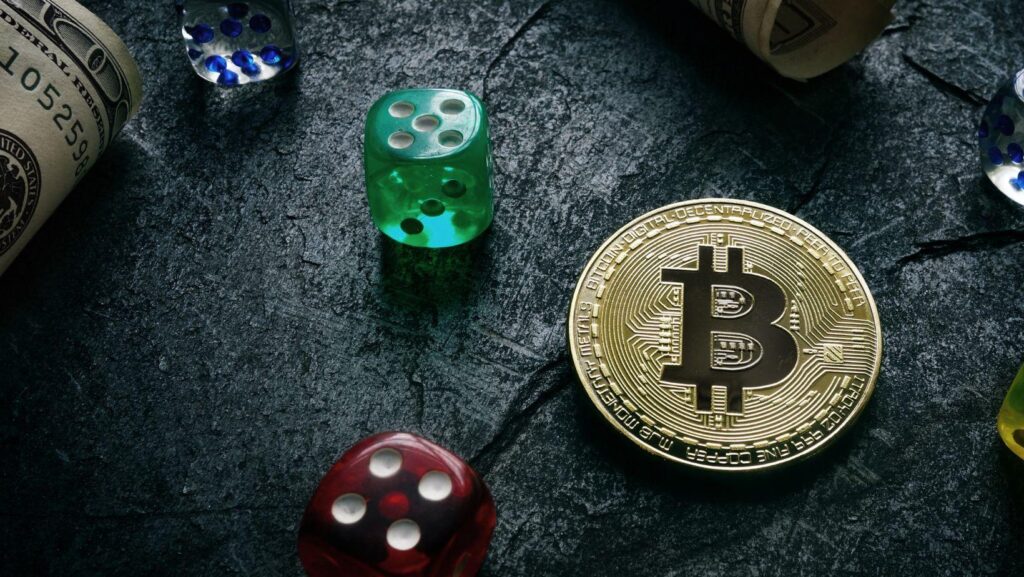
Bitcoin hit $59,400 on June 5, 2026. Lowest price since October 2024. Around $2 billion in leveraged long positions liquidated inside 48 hours, Strategy. The company that built its entire identity on holding BTC. Sold for the first time since 2022, and ETF outflows hit a record $3.58 billion in a single week. CNBC called it Bitcoin's most dismal stretch since the last bear cycle.
For a lot of Bitclassic readers, this wasn't a surprise. It was confirmation.
Here's what's interesting, though: a specific corner of crypto gaming spiked traffic during those exact days. Not DeFi protocols. Not NFT marketplaces. Crash gambling. The mechanic is simple. A multiplier climbs from 1x upward and you cash out before it crashes to zero. Timing over fundamentals. Instinct over analysis. For traders who'd just watched a chart behave exactly like a crash game multiplier and lost, the parallel wasn't metaphorical. It was mechanical.
Crypto traders who've spent three weeks watching Bitcoin charts behave like a game of chicken increasingly recognize the same psychological framework. The impulse to hold longer for a bigger multiplier, the gut-punch when you don't cash out in time. These aren't abstract feelings when you've just ridden BTC from $123K to $59K. Players looking to channel that instinct into something with provably fair rails are finding the best crash gambling sites offer exactly what spot trading doesn't: transparent RNG, defined odds, and instant settlement in Bitcoin or Ethereum.
Why the $60K Floor Hit Different This Time
Bitcoin has been below $60K before. What made June 2026 unusual was the combination of triggers arriving within the same 72-hour window.
ETF outflows first. BlackRock's IBIT shed $1.2 billion across three consecutive days. Fidelity's FBTC followed. When institutional vehicles are net sellers at that scale, retail panic tends to amplify the move rather than absorb it. Then Strategy's sale landed. A company that had publicly committed to never selling, selling. And sentiment broke. Liquidations cascaded through Binance and Bybit as overleveraged longs hit margin calls.
Decrypt's coverage on June 5 pointed to strong US jobs data as the macro trigger, arguing that a hot labor market killed rate-cut hopes and pushed institutional money back toward treasuries. BTC dropped 8.4% in a single session. Zcash collapsed 22% in the same window.
The 51% correction from the October 2024 all-time high of roughly $123K wasn't a crash in the 2022 sense. There was no Terra/Luna contagion, no FTX-style fraud revelation. This was a repricing event driven by macro data and institutional repositioning. But for retail holders who bought anywhere above $80K, it felt identical.
The Psychology That Connects Chart-Reading to Crash Games
Traders who've survived a Bitcoin cycle develop a specific cognitive habit: they fixate on the exit point.
Not "should I enter". They're already in. The question is always "when do I get out before it falls apart." That exact tension. Hold for the bigger number, or secure what you have. Is structurally identical to a crash gambling round.
In a standard crash game, a multiplier launches. It might hit 1.5x. It might hit 14x. It crashed at 1.01x last round and at 87x the round before that. You have a running position and a single decision: cash out or hold. There's no fundamental analysis to do. There's no earnings report to wait for. It's pure timing psychology, with a verified random outcome.
Bitclassic covered the psychological overlap directly in From Volatility to Strategy: When Crypto Traders Think Like Players. The read is worth your time if you want the behavioral mechanics laid out in detail. The June correction made that piece feel almost prescient.
The difference between crash gambling and spot trading Bitcoin in a downturn? Provably fair systems. On a legitimate crash platform, the outcome is cryptographically committed before the round starts. The house can't adjust the crash point after you've placed your bet. That's not something a centralized exchange can promise you about its liquidation engine.
What Crypto-Native Players Are Actually Looking For
Not every crash gambling site is worth your Bitcoin. The genre has attracted genuinely shady operators over the last 18 months, most of them using rebranded copycat software with no verifiable RNG and withdrawal processes that freeze the moment you hit a significant win.
Four things separate a platform worth using from one that'll burn you:
Settlement speed. Crypto deposits should clear in under two minutes. Withdrawals in Bitcoin or Ethereum should process within the hour on a quiet day. If a platform advertises "instant crypto" but requires manual KYC review for payouts above $200, that's a red flag. I've seen Ignition process a BTC withdrawal in under 40 minutes on a Tuesday afternoon. That's the benchmark.
Provably fair verification. Every reputable crash game should publish a hash of the crash point before the round starts, and let you verify after. If the platform doesn't offer this, skip it. The whole point of crash gambling for a crypto-native player is trustless verification. Without that, you're just playing on faith.
Multiplier ceiling and auto-cashout. Some platforms cap multipliers at 100x. Others have recorded rounds above 1,000x. Know the ceiling before you play. Auto-cashout is the feature that separates disciplined players from gamblers chasing variance. Set it at 2x or 3x and actually respect it.
Stablecoin deposit options. With the GENIUS Act's stablecoin provisions scheduled to take effect by July 18, 2026, platforms that accept USDT and USDC deposits are going to face new compliance requirements. The better-run sites are already ahead of this. The ones that aren't will have disrupted deposit rails.
The Crash Gambling Growth Story Isn't New. June Just Accelerated It
Crash games were already the second most popular game type in crypto gambling by the end of 2025, trailing only slots. Monthly active players across major crash platforms were tracking around 10 million. The mechanic had already crossed from niche crypto-gaming circles into mainstream iGaming audiences.
What Bitcoin's June correction did was send a specific cohort. Traders who understand volatility but are exhausted by 24/7 spot markets. Toward a format that scratches the same itch with defined session length and transparent outcomes. You play a round, it takes 30 seconds, you either hit your cashout or you don't. There's no checking your phone at 3am to watch a candlestick.
That's not nothing when BTC just woke you up at 3am with a $2 billion liquidation event.
FAQ
What is crash gambling and how does it work? A multiplier starts at 1x and climbs until it randomly crashes. You cash out at any point before the crash to lock in your winnings. The game outcome is cryptographically predetermined and verifiable before each round starts, which is what separates provably fair crash games from traditional slots with opaque RNG.
Can I play crash gambling with Bitcoin? Yes. Most dedicated crash gambling platforms accept Bitcoin, Ethereum, Litecoin, and increasingly stablecoins like USDT. BTC deposits typically clear within one to two minutes, and withdrawals on better-run platforms process in under an hour. Always confirm the minimum withdrawal threshold before depositing.
Is crash gambling provably fair? Legitimate crash games are. The platform publishes a cryptographic hash of the crash point before you bet, and you can verify it matched after the round ends. If a site doesn't offer this verification system, treat it as unverified. Provably fair is the baseline, not a bonus feature.
Why are crypto traders interested in crash gambling specifically? The cash-out-before-the-crash mechanic mirrors the timing psychology of trading volatile assets. After watching Bitcoin drop 51% from its all-time high, traders who understand the instinct of holding too long find the format familiar. The difference is transparent RNG and defined session structure instead of an open-ended chart.
What should I check before signing up at a crash gambling site? Withdrawal speed and limits, whether provably fair verification is offered, the platform's licensing or operating jurisdiction, and whether auto-cashout is available. A welcome bonus with 35x+ wagering requirements effectively doesn't exist for crash game players. Most bonuses restrict contribution from crash games to 10% or less.
Play the Clock, Not the Chart
Bitcoin dropping below $60K isn't the end of this cycle. It's a repricing event in a market that reprices violently and regularly. The traders who survive these moves are the ones who know exactly when to exit. And who've practiced that instinct often enough that it's automatic.
Crash gambling, at its best, is a training ground for exactly that reflex. Pick a cashout target, stick to it, don't chase the multiplier when you're already up. The game will always run another round. The chart doesn't give you that luxury.
Gamble with what you can genuinely afford to lose. If it stops feeling like entertainment and starts feeling like recovery trading, step away. BeGambleAware.org is available 24/7, and you can reach the US National Problem Gambling Helpline at 1-800-522-4700.
More Stories
What steps do I need to follow to use the referral code ‘2IDaUZ’ on Toobit?
Europe’s Banks Are Building a Stablecoin Before Big Tech Builds One for Them
Stablecoins for Everyday Online Payments: A Practical Guide to USDT, USDC and Fast, Low-Fee Transfers