
Bitclassic.org/ is a website that offers cryptocurrency services and information. The site lists token prices, project summaries, and links to wallets. The article explains who uses BitClassic.org, how the site operates, and the main safety checks readers should run. It uses clear steps and plain language to help a reader decide if BitClassic.org fits their needs.
Key Takeaways
- BitClassic.org provides a fast, simple list of cryptocurrency projects, focusing on broad coverage of tokens including niche and historical ones.
- The site serves investors, traders, developers, and casual readers by aggregating links and short project summaries but does not replace primary sources.
- Users must verify token contracts, project websites, and audit reports independently to ensure safety before engaging with any token found on BitClassic.org.
- BitClassic.org is ideal for users seeking concise token listings but is not suitable for beginners or those needing in-depth analytics or regulated exchange data.
- Safety best practices include using block explorers, checking liquidity, performing test transfers, and enabling two-factor authentication to reduce risks.
- For more curated or regulated information, users should consider mainstream aggregators or specialized industry guides beyond BitClassic.org.
What BitClassic.org Does And Who It’s For
BitClassic.org lists cryptocurrency projects and basic token data. The site shows token names, short descriptions, and links to project websites. It also links to price charts and community pages. Users can scan listings to find old or niche tokens.
Investors use BitClassic.org to find historical projects and check token links. Traders use it to spot low-profile tokens that lack coverage on major aggregators. Developers use it to confirm that a token listing points to the correct contract or website. Casual readers use it to read short project summaries.
BitClassic.org cryptocoins does not replace primary sources. It aggregates links and short notes. Users should treat the site as a pointer rather than a final source. BitClassic.org helps reduce time spent searching, but users must follow links to official pages and contract explorers before taking action.
The site appeals to users who prefer concise lists. It suits people who want to see many projects in one place. It does not suit beginners who need step-by-step wallet or security tutorials. It also does not suit users who need deep research, on-chain analytics, or regulated exchange data.
How BitClassic.org Works — Key Features, Workflow, And User Experience
BitClassic.org uses a simple list format to present tokens. The site shows each entry with a title, a short blurb, and external links. A user scans entries and taps links to reach token websites, social pages, or contract explorers. The interface loads quickly and shows plain text for each token.
The site updates listings when contributors add entries. Contributors add tokens by submitting a link and a short note. The site owner reviews submissions and publishes approved entries. This workflow keeps additions fast and low-cost. It also raises the risk of incomplete or outdated listings.
Key features include grouped lists, search by name, and direct links to token contracts. The site does not offer trading, custodial wallets, or on-site balance tracking. Users must copy contract addresses into a block explorer or wallet to verify details. The site aims for minimal design to reduce distractions.
BitClassic.org focuses on speed and breadth. It shows many tokens that large aggregators may not list. That scope helps hobbyists and researchers find obscure projects. The site does not promise verification or audits. Users must assume listings can contain errors and verify every claim before sending funds.
Safety, Legitimacy Checks, And Alternatives To Consider
A user should run checks before trusting any token link on BitClassic.org. The user should verify the token contract on a block explorer and confirm the contract matches the project website. The user should check the project’s official social pages for consistent links and announcements. The user should look for audit reports on the project site or on audit firm pages.
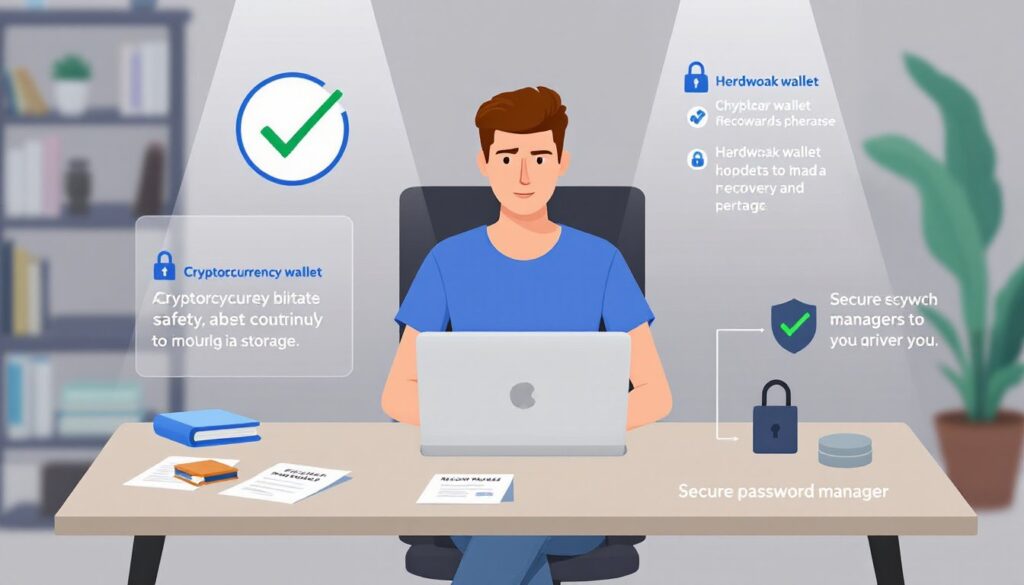
The user should avoid sending funds to contracts without verification. The user should check liquidity on reputable exchanges and confirm token supply data. The user should use a hardware wallet for large transfers and a small test transfer for any new contract. The user should enable two-factor authentication on accounts that support it.
If a user wants more curated options, they can try mainstream aggregators and comparison guides. For a user who needs prediction market or betting comparisons, reputable guides list popular apps and features. The user can compare platforms using an industry guide to prediction market apps to see how apps list markets and handle regulation. The guide on top platforms offers a clear comparison for users who weigh safety and features before betting.
BitClassic.org can act as a starting point. The user should not treat it as a proof of legitimacy. The user should confirm contract addresses, review community activity, and check audit status. When a user follows these steps, they reduce exposure to scams and bad links.
More Stories
BitClassic.org Explained: A Practical Review, Risks, And How To Use It Safely In 2026
What Is BitClassic.org? A Clear Guide To The Site, Safety, And Uses (2026)
BitClassic.org Revealed: What It Is, How It Works, And Whether It’s Legit In 2026