
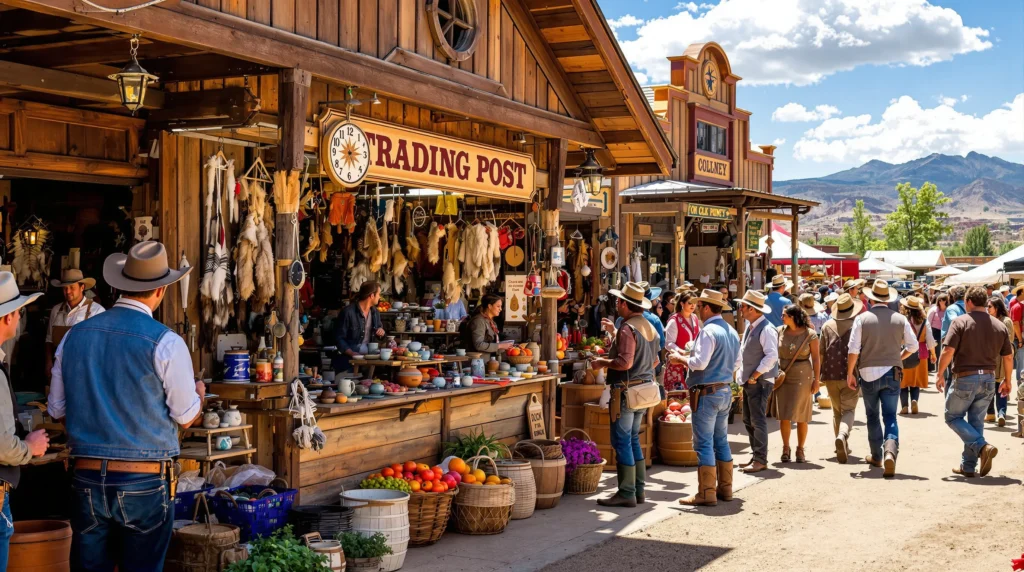
Picture this: a dusty trail, the sun beating down, and a wooden building buzzing with voices. This is the trading post—a place where strangers became neighbors, fortunes changed hands, and the world felt a little smaller. If you’ve ever wondered how a simple outpost could shape history, you’re in the right place. The trading post isn’t just a relic; it’s a living story of risk, reward, and human connection.
What Is a Trading Post, Really?
Let’s break it down. A trading post is a spot where people meet to exchange goods. That’s the simple version. But the trading post was never just about stuff. It was about survival, trust, and sometimes, betrayal. Imagine fur trappers in the 1700s, hauling pelts for days just to reach a trading post. Or think of Indigenous communities, bringing hand-crafted goods to swap for tools or cloth. The trading post was the original marketplace—no apps, no shipping fees, just face-to-face deals.
The First Trading Posts: Where It All Began
Here’s the part nobody tells you: the first trading posts weren’t built by governments or big companies. They popped up wherever people needed them. In North America, French and British traders set up posts along rivers and lakes. These spots became magnets for explorers, settlers, and local tribes. The Hudson’s Bay Company, founded in 1670, ran some of the most famous trading posts. Their outposts stretched from icy Canada to the edge of the Rockies. Each post had its own rules, its own drama, and sometimes, its own legends.
Why Did People Flock to the Trading Post?
If you’ve ever struggled to find a good deal, you’ll get this. The trading post was the only place for miles where you could swap what you had for what you needed. Trappers brought beaver pelts. Farmers brought grain. Indigenous traders brought everything from wild rice to intricate beadwork. The trading post was a lifeline. Miss a season, and you might not make it through winter.
How the Trading Post Changed Lives
Let’s get specific. In 1804, Lewis and Clark stopped at a trading post on the Missouri River. They needed supplies, but they also needed information. The post’s owner, a wiry Frenchman named Pierre Dorion, gave them both. That moment changed the course of their journey—and maybe the fate of the American West.
But not every story was heroic. Some trading posts became flashpoints for conflict. Misunderstandings over prices or promises sometimes led to violence. Others became melting pots, where languages mixed and new cultures were born. The trading post was messy, unpredictable, and always human.
The Trading Post’s Secret Power: Connection
Here’s why the trading post mattered: it brought people together. Not just for business, but for news, gossip, and even romance. Picture a winter night, the fire crackling, and traders swapping stories in a dozen languages. The trading post was the original social network—except you could actually smell the coffee and hear the laughter.
Some posts even had their own traditions. At Fort Union, on the upper Missouri, traders held an annual feast. Everyone—trappers, soldiers, families—shared food and danced late into the night. These moments built trust. They also built alliances that lasted for generations.
The Trading Post in Modern Times
Think the trading post is just history? Think again. Today, the spirit of the trading post lives on in farmers’ markets, swap meets, and even online forums. The need to trade, to connect, to share stories—it’s still with us. Some old trading posts have become museums. Others are still open, selling everything from handmade crafts to local honey. If you’ve ever haggled at a flea market or swapped baseball cards, you’ve felt the pull of the trading post.
Who Needs the Trading Post Today?
If you crave connection, the trading post is for you. If you want to know where your stuff comes from, or who made it, you’ll feel at home. But if you’re after instant gratification or faceless transactions, you might find the trading post too slow, too personal. That’s the point. The trading post rewards patience, curiosity, and a willingness to listen.
Lessons from the Trading Post
- Trust matters. Every deal at the trading post depended on trust. Break it, and you were out.
- Stories travel faster than goods. News, jokes, and warnings spread at the trading post long before the telegraph.
- Adapt or fade away. When railroads and highways came, many trading posts closed. The ones that survived changed with the times.
If you’re building a business, a community, or just trying to make friends, the trading post has lessons for you. Show up. Listen. Trade fairly. And don’t be afraid to share your story.
What Nobody Tells You About the Trading Post
Here’s the twist: the trading post wasn’t always fair. Some traders took advantage of newcomers. Some posts became centers of power, hoarding goods and setting prices. But the best trading posts—then and now—put people first. They built reputations on honesty, generosity, and a sense of belonging. If you’ve ever felt out of place, the trading post could be a home. If you’ve ever wanted to start over, it could be a fresh start.
Next Steps: Bringing the Trading Post Spirit Into Your Life
Want to channel the trading post? Start small. Visit a local market. Swap something you made for something you need. Ask someone about their story. The trading post isn’t just a place—it’s a mindset. It’s about showing up, being curious, and making real connections. That’s the real impact of the trading post, and it’s as powerful now as it was centuries ago.
More Stories
Most Popular Crypto Casinos Featuring Competitive Bonus Offers in 2026
Top Glory Trading Group: Unveiling the Secrets to Trading Success
How Many Trading Days In A Month: Your Essential Guide