
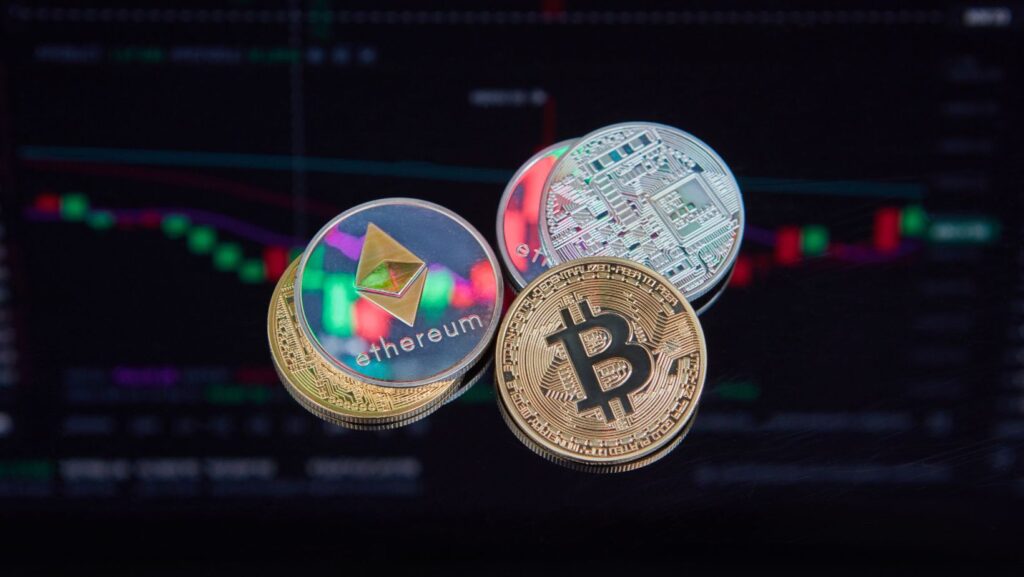
Blockchain technology is steadily influencing the direction of digital gaming. Why? Because it introduces new ways to handle ownership, security, and player interaction.
Yes, it’s still developing. Yet its impact is already being felt across different types of platforms, from competitive gaming to online entertainment. As expectations around transparency and control continue to grow, blockchain is reshaping how players engage with digital environments.
True Ownership of Digital Assets
The concept of true ownership. This is one of the most significant changes blockchain brings to the table. In traditional games, progress and in-game items are typically controlled by the platform. With blockchain, assets can be stored independently. In doing so, it gives players direct control over what they earn or purchase.
What does this mean, exactly? The likes of items and characters can potentially be transferred, traded, and even retained outside of a single game. For players, this adds long-term value to their time and investment. Digital achievements are turned into something more tangible and persistent.
Increased Transparency and Fairness
Blockchain also introduces a higher level of transparency. Because transactions and outcomes can be recorded on a public ledger, players have greater visibility into how systems operate. In areas where fairness is critical, this is particularly relevant.
In gaming environments where outcomes matter, blockchain-based systems can assist in verifying that results are not manipulated. It builds trust between players and platforms. It creates a more reliable experience overall.
As users become more aware of how their data and outcomes are handled, transparency is becoming a key expectation.
Faster and More Flexible Transactions
Another advantage of blockchain: its ability to streamline transactions. Traditional payment systems remain popular, but they have well-known disadvantages. Delays. Intermediaries. Additional fees.
Blockchain-based systems are home to a more direct approach, allowing faster transfers and greater flexibility. For players, this can result in quicker access to funds and in-game assets. It also opens up new possibilities for global participation, as blockchain transactions are not tied to specific regions or banking systems.
Integration with Modern Game Platforms
While not all platforms are blockchain-based, elements of the technology are starting to influence how systems are created. Even in more traditional environments, there’s a growing demand for faster payments, improved transparency, and greater user control.
A platform like lonkerokasino.com reflects some of these aspects, particularly in how it prioritizes direct transactions and streamlined access. While not defined by blockchain alone, this approach matches the wider movement towards efficiency and clarity in digital gaming. As blockchain adoption increases, these types of features are likely to become more common across the industry.
A Move Towards Player-Centric Experiences
Ultimately, blockchain is changing how digital gaming is structured. Rather than closed systems controlled entirely by providers, it’s moving towards a future of player ownership, transparency, and flexibility.
The technology is only in its early stages. As it develops, its role in gaming will likely expand. Whether through asset ownership or verifiable systems, blockchain is creating a future where players have more control over their experience and greater confidence in how platforms operate.
More Stories
Is Solana a Blockchain?
Want to Become an OnlyFans Star? Steps You Need to Take
The Future Of Prediction Markets: How Aggregators Like FORS Market Are Solving Liquidity Fragmentation