

A Shift Toward Effortless Payments
Everyday payments are becoming invisible. By 2026, most consumers expect to pay without friction—no cash, no waiting, no complex steps. Digital wallets have moved from a helpful add-on to a central part of daily life, driven by global mobility, mobile-first habits, and rising expectations for speed and simplicity. This shift reflects a broader market trend: convenience is no longer a luxury, but the baseline for financial services.
Digital wallets now sit at the intersection of payments, identity, and personal finance. They enable people to move through daily routines—shopping, commuting, dining, traveling—without thinking about how money changes hands. This evolution is setting new standards for what “everyday payments” should feel like.
From Storage to Smart Spending
Digital wallets were once little more than containers for cards. Today, they are becoming intelligent financial hubs. Users expect real-time balances, instant notifications, spending insights, and seamless use across devices and borders. These expectations are shaping the next generation of wallet technology.
One of the most important developments in this space is the integration of digital assets into everyday spending. Web3 innovation has made it possible to hold, transfer, and now spend value outside traditional banking rails. Crypto Cards play a key role here. They allow users to spend cryptocurrencies in real life—whether shopping online, paying at a point-of-sale terminal, or withdrawing cash from ATMs.
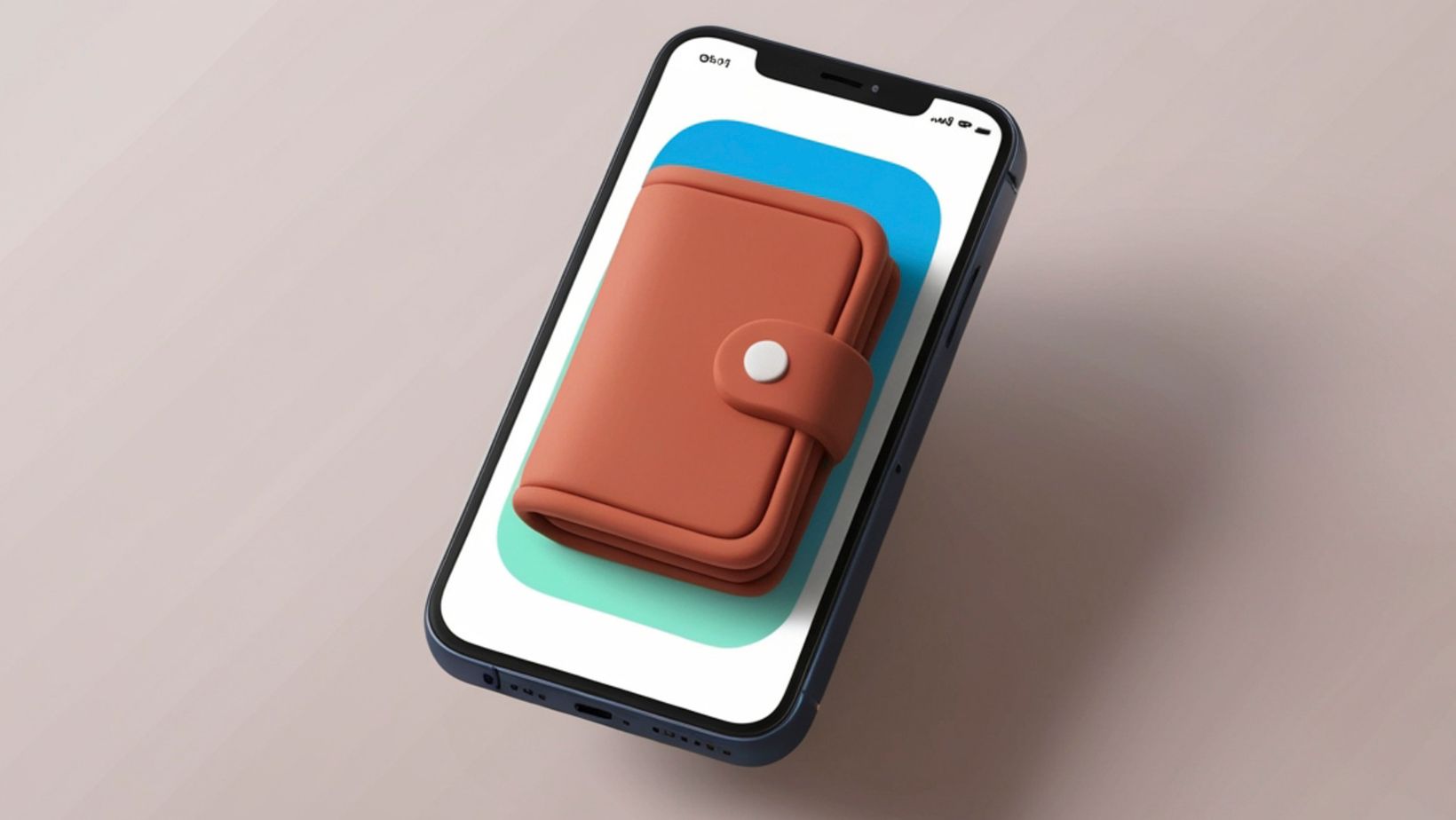
Mountain Wolf, a licensed European payment provider, offers a Crypto Card designed for everyday usability. After verification, the card is instantly ready, compatible with Apple Pay and Google Pay, and can be topped up in real time from any crypto wallet. This transforms crypto from a passive asset into an active payment method, seamlessly integrated into familiar wallet environments. The result is a more flexible way to pay, especially for people who operate globally or hold part of their wealth in digital assets.
Convenience Beyond Crypto
Not all progress in digital wallets is tied to Web3 or Crypto Cards. A major part of the convenience revolution comes from improvements in traditional digital finance. Features like biometric authentication, instant peer-to-peer transfers, digital receipts, subscription management, and automated budgeting tools are becoming standard.
These tools reduce mental load and administrative effort. Consumers spend less time tracking expenses or managing accounts and more time focusing on what matters to them. For many users, this alone is reason enough to abandon cash and manual processes. This broader ecosystem shows that the future of payments is about usability first—technology simply enables it.
Why 2026 Will Feel Different
By 2026, everyday payments will feel faster, more global, and more personal. Digital wallets will adapt to users rather than the other way around, combining fiat payments, digital assets, and identity tools in a single interface. Web3 will continue to mature quietly in the background, powering new forms of ownership and value exchange without disrupting the user experience.
Platforms like Mountain Wolf illustrate how innovation can bridge familiar payment habits with next-generation financial tools. Crypto Cards are one example of how digital wallets are expanding what “everyday payments” mean—without adding complexity.
The future of everyday payments isn’t about choosing one technology over another. It’s about choice, flexibility, and convenience. In 2026, the best payment experience will be the one you barely notice—because it simply works.
More Stories
Stablecoin Payments in 2026: Why USDT And USDC Are Changing Crypto Gaming
App vs Browser: Which Is Safer for Financial and Gaming Accounts?
Tamasha Bet Live Casino Login Guide (Step-by-Step Access)