
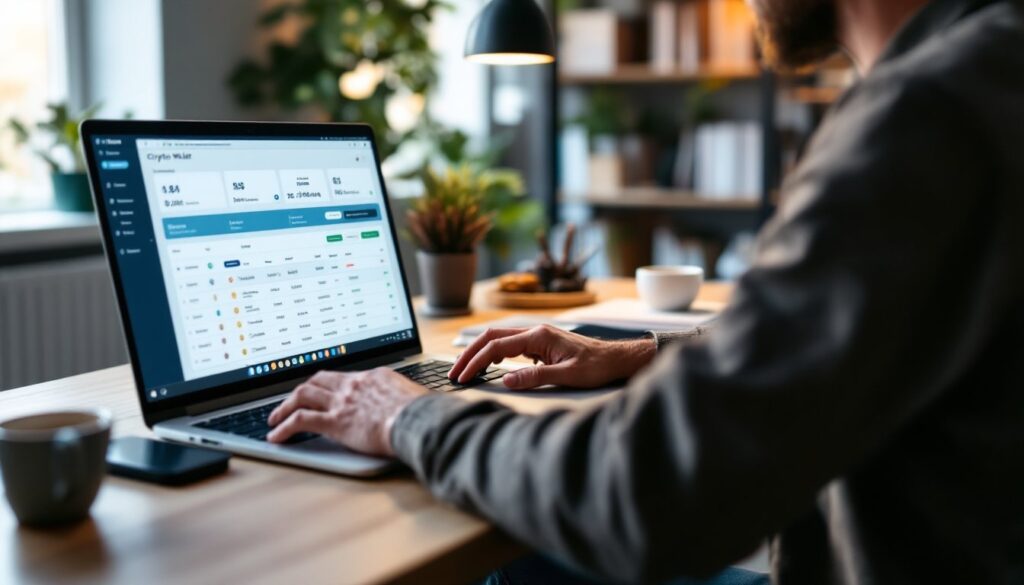
How to buy a leaf in Bitklasizz is a common question for new users. The guide explains wallet setup, transaction steps, and purchase level rules. It shows funding steps, fee handling, and common fixes. It keeps instructions clear and fast. The reader will learn which wallet to use, how to fund it, and how to confirm a leaf purchase in Bitklasizz.
Key Takeaways
- A wallet compatible with Bitklasizz’s token standard is essential for purchasing leaves and must be properly funded before transactions.
- Purchase levels in Bitklasizz determine leaf price and perks; buyers should review level details and stock limits carefully.
- Confirm wallet balance, transaction fees, and purchase details before finalizing a leaf purchase to avoid errors or delays.
- Monitor transaction status via both wallet and Bitklasizz platform using the transaction ID for smooth confirmation and troubleshooting.
- Use wallet security best practices by safeguarding private keys with offline backups and device protections to prevent loss of funds.
- If transaction issues arise, utilize wallet features like speeding up or canceling transactions and contact Bitklasizz support with all relevant details for assistance.
Understanding Bitklasizz Leaves, Purchase Levels, And Wallet Basics
Wallet transaction leaf purchase level bitklasizz sells digital items called leaves. A leaf grants access or in-game perks depending on its level. The platform uses purchase levels to set rarity and price. The buyer chooses a level, then the platform shows a price and required confirmations.
A wallet stores the tokens needed to buy a leaf in Bitklasizz. The wallet holds currency and sends transaction data to the network. The user must pick a compatible wallet before attempting a purchase. Compatibility depends on the token standard that Bitklasizz uses. The platform lists supported wallets on its purchase page. The buyer should confirm support before they fund a wallet.
A purchase level affects price and unlocks. Level one usually costs least and grants basic features. Higher levels cost more and grant extra features or higher chance of special drops. Bitklasizz displays level details on each leaf listing. The buyer should read the description and the level table. The platform may show stock limits per level. The buyer should note those limits to avoid failed purchases.
Bitklasizz records transactions on a ledger. A wallet creates a signed transaction and sends it to the network. The ledger confirms the transfer and the platform updates ownership. The buyer should check the transaction status in both the wallet and the Bitklasizz account. The buyer should save the transaction ID for support cases.
The buyer must secure the wallet keys. A lost key prevents access to funds and purchased leaves. The platform cannot recover private keys. The buyer should use device protections and a secure backup method. They should avoid storing keys in plain text or on shared devices.
Step‑By‑Step Wallet Setup And Funding For Bitklasizz Transactions
The buyer installs a supported wallet app or extension. The wallet may be mobile, desktop, or hardware. The buyer opens the app and creates an account. The app shows a seed phrase. The buyer writes the phrase on paper and stores it offline. The buyer does not share the phrase with anyone.
The buyer configures the wallet network to match Bitklasizz tokens. The wallet may require adding a custom network or token contract. The buyer adds the token by pasting the contract address from Bitklasizz. The buyer double-checks the address to avoid scams.
The buyer funds the wallet. The buyer transfers the required token or native coin from an exchange or another wallet. The wallet shows a balance after one or more network confirmations. The buyer leaves a small extra balance for transaction fees and retries.
The buyer links the wallet with a Bitklasizz account when the platform asks for a connection. The wallet prompts the user to approve the connection. The buyer reviews the requested permissions and signs the connection. The buyer avoids approving transactions they do not understand.
The buyer checks the estimated fee before making a purchase. The fee depends on network congestion and the chosen gas price. The wallet displays a speed option and an estimated fee. The buyer selects a fee that fits their time and cost preference. The buyer knows that a lower fee may delay confirmation or cause failure.
The buyer confirms that the wallet shows the correct token balance and the Bitklasizz listing shows the correct price and level. The buyer prepares to make the purchase when both sides match.
Making The Purchase: Transaction Flow, Fees, And Troubleshooting
The buyer selects a leaf and a purchase level on Bitklasizz. The platform shows the final price and required confirmations. The buyer clicks buy and the wallet opens a transaction prompt. The wallet shows the transfer amount and the fee. The buyer reviews and signs the transaction.
The wallet sends the signed transaction to the network. The network assigns the transaction an ID. The buyer copies the ID from the wallet or Bitklasizz order page. The buyer watches for confirmations in the wallet and on the Bitklasizz order page. The platform updates ownership after the required confirmations.
If the transaction fails, the wallet usually returns an error code. The buyer reads the wallet error and checks the wallet balance. Common causes include insufficient funds, wrong token, or low gas price. The buyer increases the gas or retries with correct token amounts. The buyer does not resend funds without checking the transaction ID.
If the buy shows pending for a long time, the buyer can try a few fixes. The buyer can speed up the transaction using the wallet’s replace-or-cancel feature. The buyer can cancel the pending transaction and submit a new one with a higher fee. The buyer avoids overlapping transactions that spend the same nonce. The buyer waits for a failed transaction to clear before sending another one.
If the platform shows the leaf as owned but the wallet balance did not change, the buyer checks both the wallet and the Bitklasizz ledger. The platform may credit the user while the network finalizes. The buyer contacts Bitklasizz support with the transaction ID if the record does not update after confirmations.
Bitklasizz may charge an additional platform fee on top of network fees. The buyer reads the fee table on the purchase page. The buyer calculates total cost as token price plus network fee plus platform fee. The buyer keeps a buffer in the wallet to cover all charges.
For users who want references about gambling rules or risks linked to esports items, Bitklasizz users can review industry coverage on the esports gambling ecosystem to confirm platform-level risk points. The buyer uses the article to understand how marketplaces and gambling features can affect item value.
If the buyer needs support, they opens a support ticket on Bitklasizz. The buyer includes the transaction ID, wallet address, and a clear description. The buyer attaches screenshots of the wallet and the Bitklasizz order page. The buyer follows the support team instructions and keeps copies of all messages.
More Stories
BitKlazzik: How To Acquire, Set Up, And Play The Crypto-Backed Guitar In 2026