
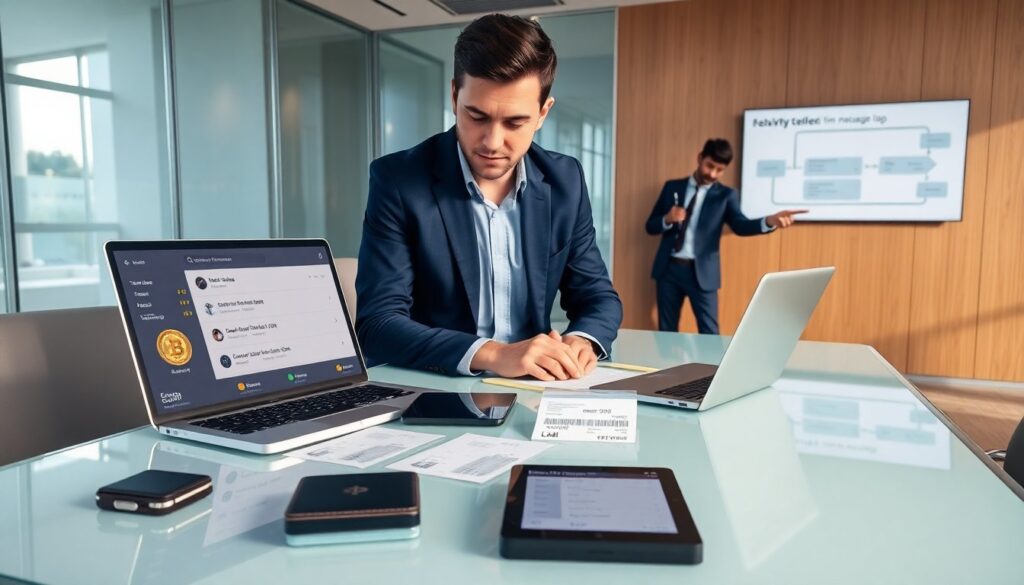
Bitclassic encryption asset lava purchase skin defines ownership and access for many gamers and collectors. It ties a buyer to a digital item and limits who can move or sell that item. The system records proofs on secure ledgers. This guide explains what the scheme does, how it protects lava purchases and skins, and what buyers should verify before they pay.
Key Takeaways
- Bitclassic encryption asset lava purchase skin uses cryptographic tokens to securely prove ownership and control of digital items like game skins.
- Buyers should verify token IDs, metadata, and signatures before purchase to ensure authenticity and reduce fraud risk.
- Utilizing secure wallets with offline private key storage and multi-factor authentication protects asset access.
- Marketplaces that enforce signature verification and use escrow or smart contracts enhance transaction security.
- Maintaining detailed records of transactions, signatures, and communications aids in dispute resolution and tax reporting.
- In case of issues, buyers should rely on marketplace verification, transparent dispute policies, and recovery options linked to bitclassic encryption asset lava purchase skin.
What BitClassic Encryption Means For Digital Asset Ownership
Bitclassic encryption asset lava purchase skin assigns a cryptographic token to each item. The token proves ownership and links the item to a key pair. A holder demonstrates control by signing a transaction with a private key. The network records the signed transaction and updates the token status.
Users expect three outcomes from bitclassic encryption asset lava purchase skin. First, a clear chain of title shows who owned the item and when. Second, transfer rules control who can sell or trade the item. Third, recovery options reduce loss if keys go missing. The system grants or denies actions through rules embedded in the token metadata.
Marketplaces and wallets adopt bitclassic encryption asset lava purchase skin to show proof at sale time. They verify signatures before they finalize a transfer. They reject offers if the signature or token metadata fails verification. This process reduces fake listings and disputed sales.
How BitClassic Secures Lava Purchases And Game Skins
Bitclassic encryption asset lava purchase skin uses layered checks to secure transactions. The buyer signs a payment message. The seller signs a transfer message. The marketplace verifies both signatures and the token status. The ledger logs the transfer and the new owner can prove possession.
Market rules limit automated transfers and require two-factor steps for high-value lava purchases. A trusted escrow can hold the token until both parties confirm shipment or item delivery. Smart contracts enforce payout rules and release funds only after verification.
Platforms that handle bitclassic encryption asset lava purchase skin also audit token metadata to spot manipulations. They check issuer addresses, token mint dates, and rarity fields. They block tokens that fail schema checks or that come from known scam addresses.
Key Steps In A Secure Lava Asset Purchase
A buyer follows clear steps when they buy using bitclassic encryption asset lava purchase skin. First, the buyer confirms the token ID and views the token metadata. Second, the buyer checks the seller signature and transfer history. Third, the buyer uses a secure wallet that holds the private key offline or in a hardware device. Fourth, the buyer uses an escrow or marketplace that verifies the token before releasing funds.
A seller follows matched steps. The seller lists the token with clear screenshots and links to on-chain records. The seller proves control by signing a test message. The seller ships any off-chain item or code only after the ledger updates the token ownership. These steps lower dispute risk and speed final settlement.
Best Practices For Protecting And Verifying Purchased Skins
A buyer inspects the token metadata before purchase. They confirm the mint address, creation date, and rarity fields. They compare those fields to trusted references and to other listings. They avoid purchases when the metadata lacks issuer details.
A buyer uses a secure wallet that supports bitclassic encryption asset lava purchase skin. They keep the private key offline or in a hardware wallet. They enable multi-factor access for any web wallet and they never paste private keys into browser prompts. They rotate passwords and they use unique passphrases for each account.
A buyer verifies the marketplace before they buy. They read recent reports on the marketplace and they check dispute outcomes. They confirm the marketplace enforces signature checks for bitclassic encryption asset lava purchase skin listings. They prefer marketplaces with escrow or built-in smart contract release features.
Collectors keep records. They save screenshots of listing pages, signed messages, and transaction IDs. They store receipts in multiple secure locations. These records help in disputes and in tax reporting.
For more context on where players buy skins and what to expect, readers can view a guide on popular csgo skins that covers marketplaces and purchase steps.
Common Issues, Disputes, And Remedies When Buying Encrypted Assets
Buyers face common issues when bitclassic encryption asset lava purchase skin fails to match expectations. The token may show a different owner. The token metadata may differ from the listing. The marketplace may not verify signatures properly. The buyer may lose a private key.
When the owner field differs, a buyer stops and asks the marketplace for verification. The marketplace fetches on-chain history and shows the transfer log. If the seller cannot produce a valid signature, the marketplace cancels the sale and returns funds.
When metadata differs, a buyer files a claim with the marketplace and provides saved screenshots and the transaction ID. The marketplace compares the saved evidence with the on-chain record. If the record shows tampering, the marketplace delists the token and may ban the seller.
When a buyer loses keys, remedies vary. A buyer checks whether the platform offers account recovery, whether a trusted recovery key exists, or whether social recovery applies. If no recovery exists, the buyer accepts that the token remains inaccessible unless they recover the private key.
Dispute resolution benefits from clear records. A buyer submits the signed messages, transaction IDs, and marketplace correspondence. They escalate to platform arbitration when needed. They also consider filing a report with platform support and the payment provider when fraud involves off-chain payments.
When buyers review policies, they look for explicit steps tied to bitclassic encryption asset lava purchase skin disputes. They favor platforms that publish case outcomes and that maintain a transparent dispute process.
More Stories
Inside BitClassic And Stacy Klinger: How Blockchain Is Shaping Crypto Payments In 2026
Rebecca Applewhite And BitClassic: Inside The Executive Driving Crypto’s Next Chapter (2026 Profile)
Blockchain Staking, Koala Order Matching, and BitClassic: How To Stake, Match Orders, and Trade Smarter in 2026