
Introduction
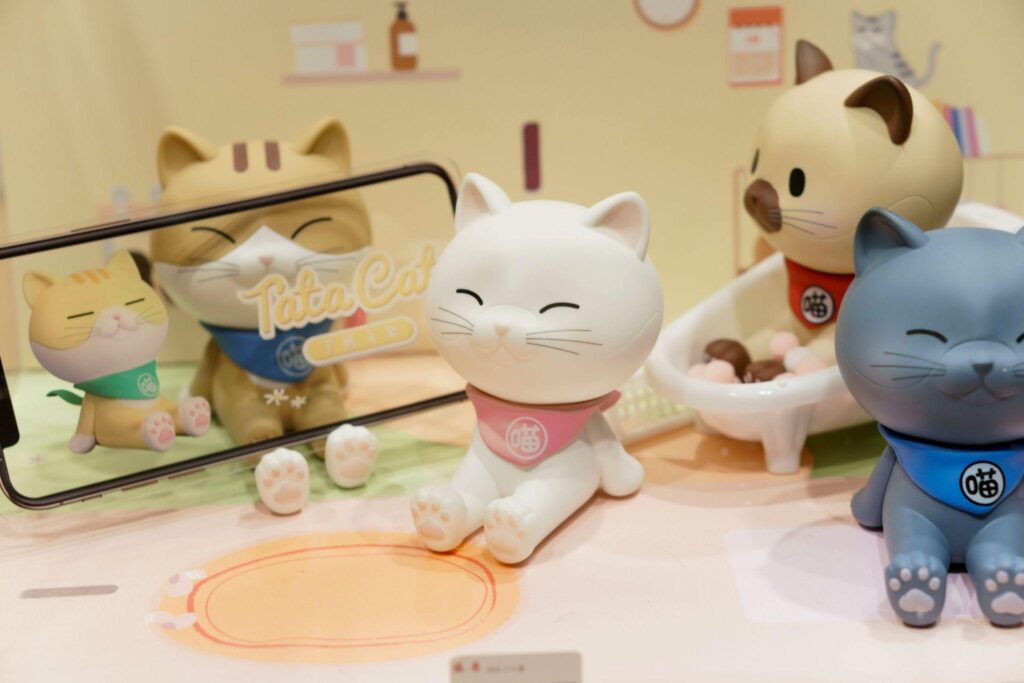
At first glance, Neko Drop vending machines appear to be nothing more than playful, cat-themed dispensers filled with miniature toys. Their pastel colors, kawaii designs, and tiny collectibles draw smiles from children and adults alike. You might pass one in a mall or a busy street, and the instinct is almost universal: a curious glance, a few coins, and the thrill of seeing what will drop.
But these machines are more than just adorable distractions. Behind their cheerful exterior lies a sophisticated business model that taps into powerful consumer psychology, microtransaction economics, and scalable operational strategies. Neko Drop machines exemplify how small, consistent interactions can generate significant revenue, and for entrepreneurs, they represent a turnkey opportunity to leverage a proven system.
Through the lens of DFY vending—“done-for-you” vending solutions—these machines are transformed from simple dispensers into a strategic business tool. DFY vending systems streamline placement, stocking, and maintenance, allowing operators to focus on scaling rather than managing every detail. By understanding the mechanics behind Neko Drop’s irresistible charm, business owners can harness their appeal to create serious profit, while customers enjoy a whimsical and engaging experience.
This blog explores how Neko Drop machines have turned playful toys into a profitable business model, why consumers can’t resist them, and how DFY vending solutions make it easier than ever to enter this unique market.
The Legacy of Japanese Collectible Culture
To understand the success of Neko Drop machines, you have to appreciate the cultural foundation they are built upon.
Japanese collectible vending machines have long been a staple of everyday life in Japan. Known for their capsule toys and endless variety, these machines have created an entire ecosystem of micro-collectibles that appeal to a wide range of audiences.
What makes them so effective is not just the product, but the experience.
Each purchase carries an element of surprise. You don’t always know exactly what you’ll get, and that uncertainty adds excitement. It turns a simple transaction into a moment of anticipation and discovery.
Over time, this model has proven to be incredibly resilient.
Collectors return again and again, driven by the desire to complete a set, find a rare item, or simply relive the experience. This repeat behavior is the foundation of long-term profitability.
Neko Drop machines take this proven concept and adapt it for a broader, modern audience—blending cultural inspiration with contemporary design and technology.
Microtransactions and the Power of Small Spending
At the core of Neko Drop’s profitability is the principle of microtransactions. Each toy is inexpensive, requiring a minor financial commitment from the consumer. But the low cost is precisely what makes repeated engagement possible.
Behavioral economics shows that small, frequent purchases reduce decision fatigue and psychological resistance. A consumer is more likely to insert a coin or press a button when the stakes feel minimal. And once that first purchase occurs, the “foot-in-the-door” effect increases the likelihood of repeat transactions. Small spending quickly turns into a habit.
For entrepreneurs, microtransactions create a predictable revenue stream. Unlike large, one-off sales, Neko Drop machines rely on volume and frequency. A machine that sees dozens of small transactions each day accumulates a substantial total over time, without the need for high-cost inventory or extensive sales efforts.
DFY vending solutions amplify this principle by optimizing machine placement, product rotation, and inventory selection. By reducing the operational burden on operators, DFY vending ensures that machines remain stocked with high-demand items, maximizing the frequency of transactions and, by extension, profitability.
The Psychology of Surprise and Collectibility
Another key factor behind Neko Drop’s irresistible appeal is the element of surprise. Most machines dispense toys randomly from a themed series, which triggers excitement and anticipation. Consumers do not know exactly which toy they will receive, creating a variable reward system that engages the brain’s dopamine pathways.
This unpredictability is a powerful motivator. It transforms a simple purchase into a mini-game, where each interaction carries the thrill of potential reward. Over time, the randomness encourages repeated participation, as consumers attempt to collect entire series or obtain rare items.
The psychology of collectibility further enhances engagement. Humans are naturally inclined to complete sets and achieve goals, and limited-edition or rare items intensify this drive. Each toy obtained is not merely a product; it is a step toward completion, a personal achievement, and a source of social interaction. Sharing finds with friends, displaying collectibles, or trading items extends the engagement beyond the transaction itself.
For DFY vending operators, understanding this dynamic allows for strategic curation of inventory. By offering themed sets, rare releases, and rotating products, operators can stimulate continuous interest and maximize repeat transactions, turning simple toys into recurring revenue streams.
Convenience and Accessibility as Revenue Drivers
One of the subtle yet powerful advantages of Neko Drop machines is their convenience. Unlike traditional retail, which requires time, effort, and commitment, vending machines provide immediate access to desirable products. Consumers do not need to plan ahead or commit to a large purchase; they simply approach, interact, and receive.
This frictionless experience increases engagement by lowering barriers to purchase. The tactile satisfaction of pressing a button, the audible and visual feedback as the toy drops, and the immediate gratification of acquiring a collectible combine to create a uniquely compelling experience.
Entrepreneurs benefit from this convenience as well. Machines can be strategically placed in high-traffic locations—malls, schools, arcades, public transit hubs—where impulse purchases are frequent. DFY vending services assist with site selection, ensuring machines are positioned for maximum visibility and accessibility. The combination of convenient access and appealing design ensures a steady flow of interactions and consistent revenue.
Conclusion
Neko Drop vending machines are far more than cute dispensers of miniature toys. They are carefully engineered experiences that tap into deep psychological principles, transforming small interactions into consistent revenue streams. By leveraging microtransactions, variable rewards, collectibility, convenience, and emotional engagement, these machines create a business model that is both accessible and highly profitable.
For entrepreneurs, particularly those using DFY vending solutions, Neko Drop machines offer a turnkey opportunity to enter a scalable market with a proven formula. The combination of irresistible consumer appeal and operational simplicity ensures that playful toys can generate serious profit, turning curiosity and delight into a sustainable income source.
In the end, the success of Neko Drop machines is a reminder of a fundamental business truth: profitability is often rooted in understanding human behavior. By designing experiences that capture attention, trigger emotion, and encourage repeat engagement, even the smallest, cutest products can become powerful drivers of economic success.
More Stories
Alabama Deep Sea Fishing Rodeo 2026: How Gulf Coast Anglers Are Doubling the Action With Offshore Sportsbooks
How Crash Games Work: The Algorithms Behind the Action
Foundations Of Successful Football Betting Strategy